AIWA TP-30R Recorder Repair Parts/repair
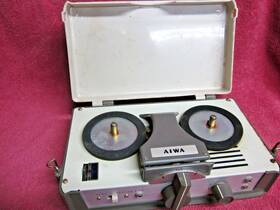
( Brand: Aiwa ), ( Manufacturer Part Number: TP-30R ), ( Type: Tape Recorder ), ( Country Of Origin: Japan )
Review AIWA Variable Speed Portable Recorder Inch Parts/repair Tp-30
The **AIWA TP-30R** is a classic portable cassette recorder from the late 1980s, celebrated for its compact design, robust build, and exceptional audio quality making it a prized possession for audiophiles, collectors, and vintage tech enthusiasts. This model, part of AIWA s beloved **TP series**, features a sleek, all-metal chassis with a durable rubberized grip, ensuring both functionality and a tactile, premium feel. The **TP-30R** stands out with its **stereo recording and playback capabilities**, driven by a high-quality **Dolby B noise reduction system**, which enhances clarity and reduces hiss, making it ideal for capturing live performances, interviews, or high-fidelity audio. Its **dual-head cassette mechanism** ensures smooth tape transport, while the **adjustable pitch control** allows for precise playback speed adjustments, a feature that was revolutionary for its time. The recorder s **front-panel controls**, including a **large, easy-to-read LCD display**, provide clear feedback on tape status, recording time, and battery levels, making it user-friendly despite its vintage design.
For those looking to restore or maintain their **AIWA TP-30R**, understanding its **mechanical and electronic components** is essential. The recorder s **motor assembly**, including the **capstan and pinch roller**, is critical for consistent tape movement, while the **record/playback heads** often made of **ferrite or metal particles** may degrade over time, requiring cleaning or replacement to prevent distortion. The **Dolby B circuit board**, housed in a separate compartment, contains the **op-amps and ICs** responsible for noise reduction, and any damage here can significantly impact audio quality. The **battery compartment** (accepting **6 AA batteries or a rechargeable pack**) is another key area, as weak or corroded connections can lead to intermittent power issues. Additionally, the **tape counter mechanism**, driven by a **small stepper motor**, may wear out over time, necessitating lubrication or part replacement to ensure accurate timekeeping. For repair purposes, **high-quality replacement parts**, such as **OEM-style heads, motors, or circuit boards**, are available from specialty vendors, though sourcing genuine AIWA components may require patience due to their age. Proper maintenance including **regular head cleaning with specialized solutions**, **lubrication of moving parts**, and **careful handling of the tape mechanism** can extend the life of this recorder, preserving its legendary performance for decades.
Beyond its technical specifications, the **AIWA TP-30R** holds a nostalgic charm, embodying the golden age of portable audio recording. Its **durable construction**, **precise engineering**, and **audiophile-grade sound** make it a sought-after piece for both hobbyists and professionals. Whether used for **field recording, archival preservation, or simply enjoying high-fidelity cassette audio**, this recorder remains a testament to AIWA s innovation. For those venturing into **repair or restoration**, attention to detail from **cleaning corroded contacts** to **replacing worn-out belts** is paramount. With the right care and components, the **TP-30R** can continue to deliver **crisp, clear audio**, bridging the gap between vintage technology and modern appreciation for analog craftsmanship.
### **Pros and Cons of Buying an AIWA TP-30R Recorder (Parts/Repair)**
#### **Pros:**1. **Vintage Sound Quality** The TP-30R is known for its warm, analog sound, which many audiophiles and collectors appreciate for its nostalgic and distinct character. The tape-based recording process produces a rich, slightly imperfect tone that digital recordings often lack.
2. **Portability and Design** The TP-30R is compact and lightweight, making it easy to carry for field recordings or travel. Its minimalist design is both functional and aesthetically pleasing for those who prefer analog gear.
3. **Durability (If Well-Maintained)** Many TP-30Rs from the late 1990s/early 2000s have proven surprisingly durable, especially if stored properly. With basic care, they can last decades.
4. **Cult Following and Community** The AIWA TP-30R has a dedicated fanbase, meaning parts, repair guides, and community support are widely available. This makes troubleshooting and restoration more accessible than for rarer models.
5. **Creative Potential** The recorder s simplicity encourages experimentation with tape manipulation, effects, and analog degradation, appealing to artists and sound designers.
6. **Resale Value** In good condition, a TP-30R can hold its value, especially among collectors. Restored units often sell for $200 $500 , depending on condition and demand.
7. **No Digital Dependence** Unlike modern digital recorders, the TP-30R doesn t rely on batteries for long-term storage (if tapes are properly stored). This can be advantageous for archival purposes.
---
#### **Cons:**1. **High Repair Costs** While parts are available, labor-intensive repairs (e.g., motor, electronics, or tape transport issues) can be expensive, especially if done professionally. DIY repairs require technical skill and patience.
2. **Tape Degradation** Cassette tapes degrade over time, leading to dropout, wear, or loss of sound quality. Replacing tapes is a recurring cost, and high-quality tapes (like TDK or Maxell) are pricey.
3. **Limited Features Compared to Modern Gear** The TP-30R lacks digital editing, USB connectivity, or advanced metering. It s a basic recorder with no built-in effects or multi-track capabilities.
4. **Power Dependency** Requires batteries (AA or rechargeable) for operation, and battery life is limited ( 10 15 hours). Some users modify it for AC power, but this adds complexity.
5. **Learning Curve** Operating an analog recorder requires understanding tape speed, level settings, and basic audio principles. Beginners may struggle with achieving optimal recordings.
6. **Environmental Sensitivity** The recorder is vulnerable to dust, humidity, and temperature fluctuations, which can damage internal components over time. Proper storage is essential.
7. **Parts Availability (Long-Term Risk)** While common now, AIWA has discontinued most production, and future parts availability isn t guaranteed. Some components (e.g., specific motors or switches) may become harder to source over time.
8. **No Built-In Monitoring** Unlike modern recorders, the TP-30R lacks headphone monitoring, meaning you must rely on external speakers or the built-in speaker, which can be weak.
---
### **Conclusion**
The AIWA TP-30R is a fantastic choice for **enthusiasts who prioritize analog warmth, portability, and a hands-on recording experience**. Its cult status ensures ongoing support, and its sound remains unmatched for certain applications (e.g., field recording, vintage aesthetics, or creative experimentation). However, it requires **active maintenance, patience, and a willingness to invest in tapes and occasional repairs**. If you re willing to embrace its quirks, it s a rewarding tool otherwise, a modern digital recorder may be more practical for everyday use.
### **Recommendation**
- **Buy if:** You value analog sound, enjoy tinkering, and are willing to invest in tapes/repairs. It s ideal for collectors, sound artists, or those who prefer a no-frills, tactile recording experience.
- **Avoid if:** You need reliability, digital features, or minimal upkeep. Modern recorders (e.g., Zoom H4n, Tascam DR-40X) offer better convenience for most users.
- **Alternative Approach:** Consider a **restored or tested unit** to avoid hidden issues. If buying parts separately, ensure compatibility with your specific model variant (some TP-30R variants have slight differences).
For those committed to analog, the TP-30R is a timeless investment but treat it with care, as it demands attention to thrive.
Details:
AIWA TP-30R Portable Recorder 3 Parts/Repair: Has Speed Control Knob: Battery clip corrosion, no battery compartment cover, handle:: Parts/Repair.
part #: tp30r prices
- $19.99-$40.00
specifications reeltapevintagego:
- brand: Aiwa
- mpn: Tp-30r
- type: Tape Recorder
- country of origin: Japan
offer reeltapevintagego:
- sold: 0
- availability: In Stock
- started: April 19, 2026
- quantity: 1
- options: Ship-to-home
returns reeltapevintagego:
- method: Money back
- time: 30 Days
- paid by: Buyer
- policy: Returns Accepted
seller reeltapevintagego:
- city: West Islip, New York
- rating: 99.9%
- # reviews: 6500
payments reeltapevintagego:
- credit card: Diners-club
- wallet: Google-pay
- other
general reeltapevintagego:
- condition: For parts or not working
- Vintage Electronics > Vintage Audio Video > Reel-to-Reel Tape Recorders
shipping reeltapevintagego:
- service: FedEx Ground Economy
- cost: $10.70
- class: Economy
- type: Calculated
- carrier: FedEx
- transit: 4-9 Days
Aiwa TP-30R Is Similar To:
- Ad-f250h Aiwa For Parts Or (29.2% similar) Foreparts or repair vintage Aiwa F250 stereo cassette deck AD-F250H it powers onyas soon as you turn in on starts making a turning type noise, like Otis tape, but nothing is pressing play, fast forward rewind does not do thing - no tape movement at albeit the machine keeps making noise till turnout ...(September 12th, 2017)
- Tp-1012 Aiwa Portable Reel To Tape Recorder For Pars Or Repair (51.5% similar) Any questions please message me before committing to and I will reply as quick as I can. I don't know too much about this item but it does power on using its original ac power cord that it came with did not test this item with batteries but for some reason the reels wont spin despite hearing maybe a...(November 8th, 2016)
- Tp-30 Aiwa Transistor Tape Recorder Made In Japan Reel To (50.4% similar) Untested gently used tape recorder. Mint condition and comes with the original microphone and headset...(December 23rd, 2015)
- Tp-31 Aiwa Vintage Transistor Tape Recorder Reel-to-reel Untested Parts Repair (44.6% similar) This is a tape recorder that looks to be in fair condition. There is also some rust along the front that could possibly be repaired as well. It will need some work done to be able to use it since it looks like there is some rust build up on the battery terminals. I ship via USPS with delivery ...(November 28th, 2015)
- Tp-32a Aiwa Collectible Miniature Portable Reel-to-reel Tape Recorder Model (42.8% similar) Happy buying...(March 9th, 2016)
- Tp-50r Recorder Aiwa Reel Tape (38% similar) See photos for details and feel free to ask me any questions before buying. I do not have a tape to test it. It's against the law. Tested for mechanical operation here. Aiwa tp 50R reel to reel tape recorder w microphone earphone, in original box with instructions. Battery compartment is clean ...(September 20th, 2015)
- Tp-60r Aiwa Vintage Transistorized Tape Recorder (40.7% similar) May need some lubricating. Battery box is clean. Comes with all shown. Reverse is slightly slow. This recorder runs well in play mode. Cardboard sleeve has a tear on one side...(April 12th, 2016)
- Tp-61r Aiwa Portable Pocketable Tape Recorder Mini Reel Player Works (43.5% similar) 2 extra reels as well. Plays, rewinds and records. Aiwa portable pocket able tape recorder mini reel player tp 61R works. Has a remote control and a microphone. Takes 4 AA batteries. Comes with instruction booklet...(May 31st, 2016)
- Tp-701 Aiwa 6 Transistor Tape Recorder Working (41.4% similar) Overall in great shape and come with it's original box and Manuel. But if you don't want the original box and Styrofoam, I can fit all if it into a medium flat rate priority box for 11. Shipping will be, just let me know which you would rather do. Used in the box, Aiwa transistor tape recorder, ...(April 28th, 2016)
- Tp-704 Aiwa Vintage Portable Reel-to-reel Deck Field Recorder Needs Belts (43.4% similar) The deck itself is considered as is. All of the photos and video footage in this offer page are of the exact unit that is up for bids. Make sure to check this offer out on your home computer. Boxed shipping weight is 12LBS. There may be something else it needs, but I have no idea how to diagnose it...(May 31st, 2016)
- Tp-706 Aiwa Transistor Portable Tape Recorder Reel To Vintage Works (45.3% similar) Battery compartment is clean, tested and works well. Any questions. Aiwa transistor portable tape recorder, reel to reel...(May 19th, 2016)