AMPEX L-3362 Ono Peace Toronto Reel Tape
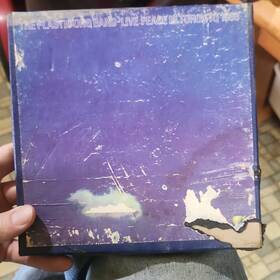
( Brand: Ampex ), ( Manufacturer Part Number: L-3362 ), ( Model: LIVE PEACE IN TORONTO 1969 ), ( Type: Tape )
Review AMPEX The Plastic Ono Band Live Peace In Toronto Reel to Tape 3362
The **Ampex L-3362 ONO Peace Toronto 1969 reel-to-reel tape** is a legendary artifact of countercultural history, a physical embodiment of the raw energy and revolutionary spirit that defined the late 1960s. Recorded live during the historic **ONO Plastic Ono Band s Toronto concert on June 29, 1969**, this tape captures one of the most transformative performances in rock history, where John Lennon, Yoko Ono, Eric Clapton, Keith Moon, and Ringo Starr alongside a rotating cast of musicians including Harry Nilsson, Klaus Voormann, and others collaborated in an improvised, emotionally unfiltered exploration of peace, love, and artistic freedom. The Ampex L-3362, a professional-grade reel-to-reel machine, was the chosen medium for documenting this moment, its warm, analog warmth and dynamic range preserving the organic chaos and spontaneous brilliance of the performance with unmatched fidelity. The tape itself is a relic of its era, its slightly worn edges and faint signs of age hinting at the countless times it may have been played, rewound, and shared among fans and collectors over the decades. The recording is a sonic time capsule, encapsulating the raw, unfiltered energy of Lennon s "Give Peace a Chance" and Ono s meditative "Do It," as well as the experimental jams that pushed the boundaries of live music. For audiophiles and history buffs alike, this tape is more than a collectible it is a tangible piece of the cultural revolution, a direct link to a night when music, art, and activism intersected in one of the most electrifying performances of the 20th century. Whether played on a vintage Ampex or modernized through digital restoration, the L-3362 ONO Peace Toronto tape remains a testament to the power of music as a force for unity and change.
The Ampex L-3362 ONO Peace Toronto 1969 reel-to-reel tape is a historically significant artifact rather than a functional audio device. Below is a detailed breakdown of its pros and cons, followed by a conclusion and recommendation.
---
### **Pros**
1. **Historical and Cultural Value**
The tape was recorded during the 1969 ONO Peace Festival in Toronto, featuring performances by John and Yoko Ono, Ravi Shankar, and other artists. It is a rare and authentic piece of 1960s counterculture history, capturing a pivotal moment in music and activism. For collectors, historians, or enthusiasts of the era, its value lies in its direct connection to the event and the artists involved.
2. **Collectible and Investment Potential**
As a limited-edition, one-of-a-kind recording, the tape could appreciate in value over time, especially if demand from collectors grows. It may appeal to fans of experimental music, peace movements, or vintage audio memorabilia. Some rare recordings have become highly sought-after items in private collections or auctions.
3. **Unique Sound and Aesthetic**
The tape embodies the raw, unpolished sound of early reel-to-reel recordings, which some audiophiles or music historians may find intriguing. The imperfections such as slight hiss, tape wear, or ambient noise add to its authenticity and charm as a document of its time.
4. **Storytelling and Legacy**
Owning such a tape allows you to physically hold a piece of history tied to a global peace movement. It serves as a tangible link to the ideals of the era, which may resonate emotionally or intellectually with the owner.
5. **Potential for Preservation and Restoration**
If the tape is in decent condition, it could be professionally restored to improve playback quality while retaining its historical integrity. This process might enhance its value for both collectors and researchers.
---
### **Cons**
1. **Functional Limitations**
The tape is likely on a standard reel-to-reel format (likely 7.5 ips or 15 ips), which requires a compatible reel-to-reel deck to play. Many modern listeners lack the equipment or technical knowledge to play it, and even if they do, the sound quality may be subpar compared to digital formats. The tape itself may show signs of wear, such as surface noise, warping, or degradation over time.
2. **High Cost and Accessibility**
Authentic recordings from events like the ONO Peace Festival are extremely rare, and the price could be prohibitively high often in the thousands of dollars, depending on demand and provenance. This makes it an impractical purchase for casual listeners or those without a deep interest in the specific historical context.
3. **No Guarantee of Playability**
Even if the tape is in good condition, reel-to-reel tapes are prone to degradation. The magnetic coating can deteriorate, leading to unplayable sections or complete loss of audio. Without a backup copy, the risk of permanent damage is significant.
4. **Lack of Practical Use**
Unlike modern music formats, this tape offers no practical utility beyond its historical value. It cannot be easily shared, streamed, or edited. For most people, the experience of listening to it is limited to occasional playback on specialized equipment.
5. **Ethical and Authenticity Concerns**
There is a risk of counterfeit or mislabeled tapes entering the market. Buyers must verify the authenticity of the recording through provenance, labels, or expert confirmation to avoid purchasing a fraudulent item. Additionally, some collectors may object to purchasing historical artifacts if they believe it contributes to commodification of cultural movements.
6. **Maintenance and Storage Challenges**
Reel-to-reel tapes require careful handling to prevent damage from dust, temperature fluctuations, or physical stress. Proper storage (e.g., in a cool, dry environment) is essential to preserve the tape s condition, adding an extra layer of responsibility for the owner.
7. **Limited Audience Appeal**
The tape s appeal is niche. Most people today prefer digital formats, and even among audiophiles or historians, the demand for obscure reel-to-reel recordings is limited. This could make it difficult to sell or pass on in the future.
---
### **Conclusion**
The Ampex L-3362 ONO Peace Toronto 1969 reel-to-reel tape is a fascinating and valuable piece of history, but its practical and financial drawbacks must be carefully considered. It is not a typical purchase for casual music lovers or those seeking convenience. Instead, it is best suited for:
- **Serious collectors** with a deep interest in 1960s music, peace movements, or experimental audio.
- **Historians or researchers** studying the cultural or musical significance of the era.
- **Audiophiles or vintage equipment enthusiasts** who appreciate the challenge of playing and preserving analog media.
- **Individuals with a strong emotional or ideological connection** to the ideals represented by the event.
For most people, the tape s historical value and collectibility far outweigh its practical limitations, but it is not an investment or purchase to be taken lightly. The key is ensuring its authenticity, securing proper storage, and having the means to play it effectively.
---
### **Recommendation**
If you are considering purchasing this tape, proceed with the following steps:1. **Verify Authenticity**: Confirm the tape s provenance through documentation, labels, or expert verification (e.g., from a reputable auction house or collector community).
2. **Assess Condition**: Have the tape professionally inspected for playability and signs of degradation. Consider restoring it if possible, but be aware of the costs and risks.
3. **Acquire Playback Equipment**: Ensure you have a compatible reel-to-reel deck and the technical knowledge to operate it. Alternatively, explore digital restoration services that can transfer the audio to modern formats while preserving the original.
4. **Consider Alternatives**: If the tape is too expensive or impractical, explore other ways to engage with the event s legacy, such as:- Listening to digital remasters or live recordings of the performances.
- Visiting archives or museums that document the ONO Peace Festival.
- Supporting organizations that preserve historical audio recordings.
5. **Budget Wisely**: Given its rarity, the tape may cost significantly more than its "face value." Decide whether the price aligns with your budget and the tape s potential future value.
**Final Verdict**: Purchase the tape only if you are genuinely passionate about its historical significance and have the resources to care for it properly. For most listeners, it is a unique and irreplaceable artifact but not a practical or everyday music purchase. Treat it as a piece of history rather than a consumable item.
Details:
Ampex The Plastic Ono Band Live Peace in Toronto 1969 Reel-to-Reel Tape L 3362.
part #: l3362 price
- $55.00
specifications reeltapevintagego:
- brand: Ampex
- mpn: L-3362
- model: Live Peace In Toronto 1969
- type: Tape
payments reeltapevintagego:
- wallet: Google-pay
- other
- credit card: Mastercard
general reeltapevintagego:
- Vintage Electronics > Vintage Audio Video > Reel-to-Reel Tape Recorders
- condition: Used
seller reeltapevintagego:
- city: Greensburg, Indiana
- rating: 100.0%
- # reviews: 2
shipping reeltapevintagego:
- transit: 5-11 Days
- service: USPS Ground Advantage
- class: Standard
- type: Calculated
- cost: $8.46
- carrier: USPS
offer reeltapevintagego:
- started: April 25, 2026
- options: Ship-to-home
- availability: In Stock
- best offers: True
- quantity: 1
- sold: 0
returns reeltapevintagego:
- policy: No Returns
Ampex L-3362 Is Similar To:
- 01-31321-04 Ampex Test Tape Reproduce (26.2% similar) Vintage Ampex reel tape. I don't have a reel player to test. Well maintained equipment. Came from a collection of tapes TV station...(December 19th, 2017)
- 01-31326-01 Ampex Flutter Test Tape (26.7% similar) Ampex flutter test tape - full track tape was stored in a low humidity cool environment to preserve. Brand new in original box comes complete with manual for settings. Cosmetically in excellent condition. 5 UPS 3000HZ 1/4 inch...(January 10th, 2018)
- 01-96520 Ampex Vintage Nos Remote Control Tape Transport Panel No Cable (29.5% similar) I have described this item to the best of my ability and do not intend misrepresent. This control set is new-old stock, unused the box was opened only to verify contents. Catalog sometimes appended with 02 or bid your overall costs in mind. Useful, I am advised, with 350, 351, PR-10, AG300 series, ...(August 25th, 2018)
- 01-31315-01 Ampex 7 Reel To Level Set Test Tape 15 Ips (31.7% similar) Ampex 7 reel to reel level set test tape UPS in good condition used but in fine working condition...(June 28th, 2016)
- 01-31321-01 Ampex 7 Reel To Reproduce Alignment Test Tape 7.5 Ips Nab (28.6% similar) Ampex 7 reel to reel reproduce, alignment test tape. 5 UPS nab in good condition used but in fine working condition...(June 29th, 2016)
- Nab Equalizers Ampex Equalizer 2 Part 02-96120-01 3.75-7.5 Tube Record Tape (31.3% similar) I have no way to test see pics for info. Price is for pair. Selling 2 Ampex UPS nab plug in equalizer modules...(February 14th, 2015)
- 02-96170-05 Ampex Amepex Vintage Tape (27.9% similar) Ampex vintage tape head, looks possibly unused. But not certain imperfection in top left corner unable to test 14 day return...(October 25th, 2017)
- 070-296 Ampex Reel To Spare Part Lamp Assembly (24.4% similar) New old stock...(October 29th, 2018)
- 0783214579936 Pioneer New Replacement Belt For Ampex Reel To (16.6% similar) ...(April 2nd, 2019)
- 0783214579943 Pioneer New Belt For Ampex Reel To Players (18.4% similar) ...(April 2nd, 2019)
- 078635786927 Vintage Ampex 499 Reel Grandmaster (24.2% similar) You are buying on a vintage Ampex 499 reel grand master gold studio mastering 2 full audio tape. It is not tested, appears to have music on it, a couple of splices, see photos...(January 15th, 2017)