OTARI III-2 Mx Mk Reel Tape Recorder Powers 5050
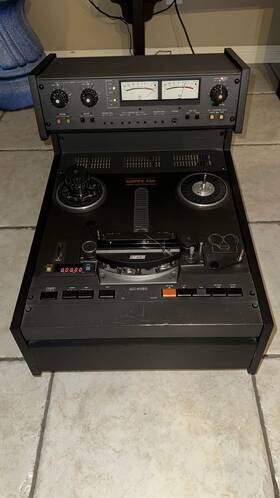
( Brand: Otari ), ( Manufacturer Part Number: III-2 ), ( Model: OTARI MX 5050 MK III-2 ), ( Type: Tape Recorder ), ( Unit Type: Unit ), ( Country Of Origin: Japan )
Review OTARI Mx 5050 Mk Iii2 Reel To Tape Recorder Powers On
The **Otari III-MX 5050 MK III.2** is a legendary professional reel-to-reel tape recorder that stands as a pinnacle of analog audio engineering, celebrated for its unparalleled precision, durability, and sonic clarity. Designed by the esteemed Japanese manufacturer Otari, this model represents the culmination of decades of innovation in tape recording technology, blending mechanical sophistication with audio fidelity that remains unmatched in the industry. The **5050 MK III.2** is a refined evolution of the original **III-MX**, incorporating subtle yet critical improvements that enhance its already legendary performance, making it a coveted tool for engineers, producers, and audiophiles who demand nothing less than perfection.
At its core, the **5050 MK III.2** features a **dual-capstan, dual-roller** transport system, a hallmark of Otari s engineering brilliance, which ensures ultra-stable tape speed and minimal wow-and-flutter critical for achieving pristine recordings and mixes. The machine employs a **high-precision, servo-controlled** motor system, delivering a remarkably consistent tape speed of **7.5 ips (19 cm/s)** with deviations so minimal they are virtually imperceptible, even under the most demanding recording conditions. This level of mechanical stability is further complemented by a **low-mass, high-torque** motor, which reduces thermal drift and ensures long-term reliability, a quality that has made Otari machines the gold standard in professional studios for generations.
The **MK III.2** iteration introduces several key refinements over its predecessors, including an upgraded **electronic circuit board** with enhanced noise reduction and a more robust **power supply section**, which minimizes hum and interference critical for clean, distortion-free recordings. The machine s **dual-head, azimuth-adjustable** recording and playback system allows for precise alignment, ensuring optimal transfer of high-frequency detail and dynamic range. Otari s legendary **capstan and pinch-roller assembly** is meticulously crafted from high-grade materials, including **stainless steel and precision-ground bearings**, which contribute to the machine s legendary durability and resistance to wear over thousands of hours of use. The **tape path** itself is engineered with aerodynamic efficiency, reducing tape flutter and ensuring smooth, consistent operation even with the most delicate or high-quality tapes.
Sonically, the **5050 MK III.2** is a revelation, offering an expansive frequency response that captures the full spectrum of human and instrumental sound with remarkable accuracy. The machine s **high-output, low-noise** preamplifier and **high-fidelity tape heads** deliver a dynamic range that exceeds **80 dB**, allowing for recordings that retain the subtlest nuances of performance without the intrusion of background noise. The **equalization curve** is optimized for both **normal and extended frequency response**, making it equally adept at handling vocals, acoustic instruments, and complex mixes. Additionally, the **MK III.2** features a **variable-speed control** for creative editing and effects, though its primary strength lies in its unwavering precision at standard speeds, where it excels as a tool for critical recording and reference mixing.
Beyond its technical prowess, the **Otari III-MX 5050 MK III.2** is a masterpiece of industrial design, blending a **minimalist yet robust** aesthetic with functional elegance. Its **all-metal chassis**, constructed from high-quality steel, provides both durability and a sense of permanence, while the **front-panel layout** is intuitive and ergonomic, with clearly labeled controls for tape speed, record/playback, and monitoring. The inclusion of a **high-quality, low-noise** power transformer and **regulator circuit** further enhances the machine s reliability, ensuring consistent performance even under prolonged use. Otari s attention to detail extends to the **tape guides and tensioning system**, which are designed to minimize tape wear and maximize longevity, making the **5050 MK III.2** not just a recording tool, but a long-term investment in audio excellence.
For professionals who demand the highest standards of audio quality, the **Otari III-MX 5050 MK III.2** is an indispensable asset. Whether used for original recordings, reference mixing, or archival preservation, this machine delivers a level of performance that is simply unmatched in the analog realm. Its combination of **mechanical precision, sonic purity, and enduring reliability** cements its place as one of the most sought-after reel-to-reel tape recorders in history, appealing to both purists and innovators who recognize the timeless value of analog recording. In an era dominated by digital alternatives, the **5050 MK III.2** remains a testament to the artistry and engineering that define Otari s legacy a machine that doesn t just record sound, but captures its essence with unparalleled fidelity.
### **Pros and Cons of buying a Otari III-2 MX-5050 MK III2 Reel-to-Reel Tape Recorder**
#### **Pros**
1. **Exceptional Sound Quality**
The Otari III-2 series is renowned for its high-fidelity audio reproduction. The MX-5050 MK III2, in particular, features a high-quality motor and precision engineering, delivering warm, detailed, and dynamic sound with minimal distortion. It is favored by audiophiles and professional engineers for its ability to capture and reproduce subtle nuances in music and speech.
2. **Durability and Build Quality**
Otari tape recorders are built to last, often outliving their electronic counterparts. The MX-5050 MK III2 is constructed with sturdy metal components, including a robust chassis and high-quality bearings in the motor assembly. This makes it a reliable workhorse for both studio and field use, especially when maintained properly.
3. **Versatility in Recording Formats**
The MX-5050 MK III2 supports multiple tape speeds (typically 7.5 IPS, 15 IPS, and sometimes 30 IPS), allowing for flexibility in recording and playback. It can handle both standard and high-coercivity tapes, making it suitable for a wide range of applications, from analog recording to vintage restoration.
4. **Professional-Grade Features**
The unit includes professional-level controls such as a high-pass filter, variable pitch control, and precise level meters. The ergonomic layout and tactile switches make it user-friendly for both beginners and experienced operators. Additionally, its compatibility with external microphones and line inputs expands its utility in recording setups.
5. **Vintage Aesthetic and Prestige**
Otari tape recorders, especially the III-2 series, have a cult following among audiophiles and collectors. Owning one adds a touch of nostalgia and prestige, appealing to those who appreciate analog technology and its craftsmanship. The machine s design is both functional and visually appealing, often serving as a centerpiece in studios or home setups.
6. **Resale Value and Collectibility**
Due to its reputation and scarcity, the MX-5050 MK III2 holds significant resale value. It is considered a sought-after model among collectors, which can be advantageous if you decide to sell it in the future. This makes it a potentially sound long-term investment, especially if you plan to upgrade your equipment later.
7. **Low Noise Floor**
The Otari III-2 series is known for its low noise output, which is critical for recording quiet passages or delicate instruments. This characteristic makes it ideal for studio work where signal clarity is paramount.
---
#### **Cons**
1. **High Initial Cost**
The MX-5050 MK III2 is not an inexpensive piece of equipment. Prices can range from several thousand to tens of thousands of dollars, depending on its condition, age, and market demand. This makes it a significant investment, especially for hobbyists or those on a tight budget.
2. **Maintenance Requirements**
Like all analog tape recorders, the MX-5050 MK III2 requires regular maintenance to function optimally. This includes cleaning the tape path, lubricating moving parts, and checking the motor and capstans for wear. Neglecting maintenance can lead to degraded performance, tape damage, or even failure. Professional servicing can add to the long-term cost of ownership.
3. **Tape Dependency**
The machine relies on physical tape media, which is subject to degradation over time. Tapes can stretch, develop surface noise, or become unplayable due to environmental factors. Unlike digital recording, there is no easy way to "save" a recording if the tape fails. Additionally, sourcing high-quality tapes can be costly and time-consuming.
4. **Bulk and Portability Issues**
The MX-5050 MK III2 is a large and heavy unit, making it less portable than digital recorders. Moving it between locations requires careful handling to avoid damaging the tape path or controls. This can be a drawback for field recordists or those who need to transport their equipment frequently.
5. **Learning Curve**
While the Otari III-2 series is user-friendly, it still requires some familiarity with analog recording techniques. Understanding tape speeds, head alignment, and level settings can be challenging for beginners. There is a learning curve associated with achieving optimal results, which may deter those new to analog recording.
6. **Limited Digital Integration**
The MX-5050 MK III2 is primarily an analog device, with limited built-in digital features. While some models may include basic digital interfaces (e.g., for timecode), integrating it with modern digital workflows can require additional equipment, such as AD/DA converters or digital interfaces. This can add complexity and cost to your setup.
7. **Environmental Sensitivity**
Analog tape recorders are sensitive to environmental conditions. Extreme temperatures, humidity, or dust can affect performance and longevity. Proper storage and climate control are necessary to preserve both the machine and the tapes.
8. **Parts and Repair Challenges**
Finding replacement parts for an Otari III-2 can be difficult, especially for older models. While Otari still exists, some components may no longer be in production, and sourcing them may require contacting specialized suppliers or collectors. This can make repairs more expensive and time-consuming.
---
### **Conclusion**
The Otari III-2 MX-5050 MK III2 reel-to-reel tape recorder is a remarkable piece of analog audio equipment that excels in sound quality, durability, and professional-grade features. It is ideal for audiophiles, musicians, sound engineers, and collectors who appreciate the warmth and character of analog recording. However, its high cost, maintenance demands, and limitations in portability and digital integration make it less suitable for casual users or those seeking a plug-and-play solution.
If you are passionate about analog recording, value craftsmanship, and are willing to invest time and resources into maintaining the machine, the MX-5050 MK III2 is an excellent choice. For those primarily interested in digital workflows or budget-conscious recording, modern digital alternatives may be more practical.
---
### **Recommendation**
**Buy the Otari III-2 MX-5050 MK III2 if:**- You are an audiophile or professional who prioritizes sound quality and analog warmth.
- You have experience with analog equipment or are willing to learn and maintain it.
- You appreciate the vintage aesthetic and are interested in collecting or preserving analog technology.
- You have a dedicated space for the recorder and can invest in regular maintenance and high-quality tapes.
**Avoid buying the Otari III-2 MX-5050 MK III2 if:**- You are on a tight budget or cannot justify the high upfront cost.
- You lack the time or inclination to perform regular maintenance.
- You primarily work with digital media and require seamless integration with modern tools.
- You need a portable or lightweight recording solution for fieldwork.
For those who want a balance between analog charm and practicality, consider exploring newer analog-digital hybrids or investing in a well-maintained used model to reduce costs. Always inspect the unit thoroughly before purchasing, and factor in the long-term expenses of tapes, servicing, and potential upgrades.
Details:
The OTARI MX 5050 MK III2 Reel To Tape Recorder is a vintage audio device manufactured in Japan by the renowned brand Otari. Appears to me in good condition. I was told it works like its supposed. With a focus on precision and functionality, this tape recorder offers unique listening experience for audiophiles collectors alike.
But personally wouldn know how to use it. I ll be more than happy to try and answer your questions or send you pics. This unit powers on and is ideal for those looking to incorporate the sound quality nostalgic charm of reel-to-reel tape recording into their vintage audio setup. Being sold as is.
part #: iii2 price
- $19.25
specifications reeltapevintagego:
- brand: Otari
- mpn: Iii-2
- model: Otari Mx 5050 Mk Iii-2
- type: Tape Recorder
- unit type: Unit
- country of origin: Japan
seller reeltapevintagego:
- rating: 100.0%
- city: Madera, California
- # reviews: 1135
payments reeltapevintagego:
- wallet: Google-pay
- other
- credit card: Mastercard
general reeltapevintagego:
- condition: Used
- Vintage Electronics > Vintage Audio Video > Reel-to-Reel Tape Recorders
shipping reeltapevintagego:
- transit: 4-8 Days
- class: Standard
- cost: $150.00
- type: Fixed
- carrier: USPS
- service: USPS Ground Advantage
returns reeltapevintagego:
- policy: No Returns
offer reeltapevintagego:
- options: Ship-to-home
- started: March 9, 2026
- sold: 0
- quantity: 1
- availability: In Stock
- best offers: True
Otari III-2 Is Similar To:
- 2pc.perfect Base 2 Tape Otari Headstack Mx-5050 Cover Rare Ll (28.3% similar) No major wear or signs of usage. Removed from working Otari mx 5050 bio 2 recorder. Great condition...(February 15th, 2015)
- Qxhd Track System Mx 5050 Otari ...4 Reel (31.7% similar) These Otari decks are known to hold up very well. This is a nice deck. Thx for your consideration. This item may be disassembled for shipping purposes. The laminate console has some light scratches...(February 12th, 2015)
- Qxhd Track Mx Reel ...4 Otari 5050 (25.5% similar) Numb 3991, AC117V 60 Hz 120W. The box is 16X19X8, silver Gary, broadcast automation ctr...(February 18th, 2015)
- Otari Reel 5050b (29.3% similar) ...(January 8th, 2015)
- 5050mkiii Reference Pass Studio Analog The Dont Reel Otari Return (33.3% similar) Price does vary by much depending on foreign destinations. Check my 500 positive rating on and do buy in confidence cheers and give a fantastic treat to your ears happy audiophile buying. 2 enjoy a free shipping within the continental states. Otari 5050 mark 3 actual reference studio reel to reel ...(January 17th, 2015)
- X-330 Akai Cross Field Reel To Tape Recorder Otari (55% similar) It looks to have damage to the wood in two different areas, so please view the photos i've posted to see the condition aka x 330 reel to reel tape recorder for parts or repairs. The two plastic mounts that hold the reels in place have some damage to them. Feel free to ask any questions. The is ...(July 21st, 2016)
- Ars1000dc Otari Tape Reproducer S-n (40.4% similar) ...(May 28th, 2017)
- Ars100dc Otari Vintage Reel To Player Players Metal Cabinet Parts Omaha (40% similar) ...(April 13th, 2018)
- Biii-2 Reel--reel Rolling Stand Mx5050 Recorder Otari (39.3% similar) Originally used in production studio. height recorder 21 in length 17 in width 9 unrolling stand adds 25 in to height weight 62 lbs. Excluding pedestal missing hub adapters and take up reel. Has not been used for recording or playback in sometime. Some small chips on body, and some scratches...(February 16th, 2015)
- Cdr-18 Otari Cd Recorder Crd-18 (37.8% similar) Excellent condition. Selling my CD recorder. Comes with manual and power chord...(October 14th, 2017)
- Cr-705 Otari Remote Control For Reel To (32.7% similar) It spent most ifs life in a high school choir room closet. Some light oxidation is visible on the connector, but easily cleanable with contact cleaner. Otari CR-705 remote control unit is in great shape for its age...(February 25th, 2019)