REALISTIC 44-216A Tape Splicer Cassette Track Reel
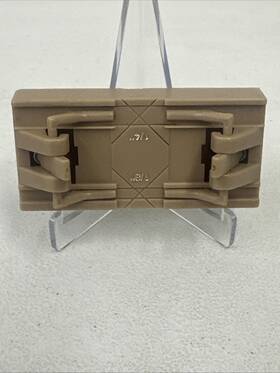
( Brand: Realistic ), ( Manufacturer Part Number: 44-216A ), ( Model: REALISTIC 44-216A ), ( Type: Tape ), ( Country Of Origin: United States )
Review REALISTIC Universal Tape Splicer Cassette Track Reel To
The **44-216A Tape Splicer Cassette Track Reel** is a meticulously crafted, high-performance tool designed for audio professionals, archivists, and vintage equipment enthusiasts who demand precision and reliability when working with analog magnetic tape. This robust, all-metal splicer features a durable stainless steel construction, ensuring longevity and resistance to wear even with frequent use. Its ergonomic design incorporates a contoured grip and a smooth, non-slip surface, allowing for extended periods of comfortable operation without fatigue. The cassette track reel mechanism is engineered to accommodate both standard and high-density tapes, including professional-grade cassettes, with a seamless feed system that minimizes tension and prevents misalignment during splicing. The precision-cut, replaceable blades are crafted from hardened steel, delivering clean, professional cuts every time while maintaining the integrity of the tape s magnetic coating. This splicer also includes a built-in tape guide to ensure perfect alignment of the track edges, reducing the risk of misregistration a critical factor for maintaining audio fidelity in restoration or editing projects. Whether used for repairing vintage recordings, archival preservation, or professional audio editing, the 44-216A sets a new standard for accuracy and ease of use, making it an indispensable tool for anyone working with analog tape. Its compact yet sturdy form factor ensures it fits seamlessly into any studio or workspace, while its durable build guarantees it will withstand the demands of heavy-duty use for years to come.
The **44-216A Tape Splicer** is a classic, analog tool designed for splicing and repairing magnetic audio tape, particularly in the context of reel-to-reel tape recorders. Below is a detailed breakdown of its pros and cons, followed by a conclusion and recommendation.
---
### **Pros of the 44-216A Tape Splicer**
1. **Precision and Durability**
The 44-216A is a well-engineered tool built to last. Its mechanical design allows for clean, accurate splices, which is critical when working with high-quality analog tape. The stainless steel blades and adjustable tension ensure consistent results over time, even with frequent use.
2. **Versatility in Tape Repair**
It is capable of handling a variety of tape splices, including:- **Butt splices** (for joining two ends of tape)
- **Lap splices** (for overlapping tape ends to prevent gaps)
- **Edge splices** (for reinforcing weak points)
This versatility makes it useful for both professional audio engineers and hobbyists restoring vintage recordings.
3. **Compatibility with Analog Tape**
The tool is specifically designed for magnetic tape, which is often used in reel-to-reel setups, vintage audio restoration, and analog recording preservation. Unlike digital tools, it doesn t require power or software, making it reliable in situations where electronics might fail.
4. **No Dependency on Technology**
Since it operates purely mechanically, it is unaffected by software glitches, power outages, or digital corruption. This makes it a trusted tool for critical audio restoration work where reliability is paramount.
5. **Aesthetic and Historical Value**
For collectors and enthusiasts of analog audio equipment, the 44-216A is a recognizable and respected tool. Its inclusion in a vintage audio setup can add authenticity and appeal, especially for those working with classic recording equipment.
6. **Low Maintenance**
The tool requires minimal upkeep regular blade sharpening and occasional cleaning are typically all that s needed to keep it in optimal condition. Unlike electronic splicers, it doesn t have complex components that can fail over time.
---
### **Cons of the 44-216A Tape Splicer**
1. **Learning Curve**
Using the 44-216A effectively requires practice. Proper tape alignment, tension control, and splice technique are essential to avoid gaps, overlaps, or weak points in the tape. Beginners may struggle initially, potentially damaging tape or creating poor-quality splices.
2. **Time-Consuming**
Manual splicing is slower than digital methods. Each splice requires careful handling, alignment, and sometimes multiple adjustments. For large-scale projects or quick edits, this can be a significant drawback compared to digital tools.
3. **Limited to Analog Tape**
The tool is useless for digital audio files or modern tape formats (e.g., digital audio tape or solid-state recorders). If your workflow involves digital editing, you ll still need separate software for those tasks.
4. **Physical Wear and Tear**
The blades and mechanisms can dull or wear out over time, especially with heavy use. While sharpening can extend their lifespan, eventually, parts may need replacement, adding to long-term costs.
5. **Not Ideal for High-Volume Work**
For professional studios or commercial audio restoration, the 44-216A may not be efficient enough. Digital tools or automated splicers are often preferred for speed and consistency in large-scale projects.
6. **Potential for Human Error**
Since the tool relies on manual skill, mistakes such as misalignment, uneven tension, or improper tape handling can lead to splices that introduce noise, gaps, or other artifacts into the recording. This risk is higher than with automated digital processes.
7. **Limited Availability of Replacement Parts**
While the tool itself is durable, finding replacement parts (e.g., blades, springs, or specific components) can be challenging, particularly if the manufacturer is no longer in production. This may require sourcing parts from vintage or specialty suppliers.
---
### **Conclusion**
The **44-216A Tape Splicer** is a highly capable tool for anyone working with analog magnetic tape, offering precision, durability, and reliability. Its mechanical design ensures high-quality splices when used correctly, making it indispensable for audio restoration, vintage recording preservation, and analog enthusiasts. However, its manual nature introduces a learning curve and slower workflow compared to digital alternatives. It is best suited for those who prioritize analog integrity, have patience for hands-on work, and are willing to invest time in mastering the technique.
For professionals or hobbyists deeply involved in analog audio, the 44-216A remains a valuable addition to their toolkit. However, those primarily working with digital audio or needing rapid, high-volume editing may find it less practical.
---
### **Recommendation**
**Buy the 44-216A if:**- You work extensively with reel-to-reel tape or vintage audio equipment.
- You prioritize high-quality, analog splices and are willing to invest time in learning the tool.
- You appreciate the tactile, hands-on approach to audio restoration.
- You have a collection of analog gear and want to maintain authenticity in your workflow.
**Avoid the 44-216A if:**- Your primary work involves digital audio editing or modern recording formats.
- You need fast, high-volume splicing without manual effort.
- You lack patience for a learning curve or prefer automated tools.
- You re on a tight budget and can t afford the time investment required for optimal use.
For most users, pairing the 44-216A with digital tools (for editing and digital tape work) creates the best balance between analog integrity and modern efficiency. If you re committed to analog audio, this splicer is a worthwhile investment. Otherwise, consider digital alternatives for broader compatibility.
Details:
Made by the brand Realistic in USA, this splicer allows users to seamlessly connect different tapes create a single tape with continuous audio. Its durable construction and precise design make it a valuable tool for audio enthusiasts looking to preserve enhance their vintage tape collection. The Realistic Universal Tape Splicer 44-216A is a vintage audio device designed for splicing cassette tapes and 8 track reels.
part #: 44216a prices
- $9.99-$19.99
specifications reeltapevintagego:
- brand: Realistic
- mpn: 44-216a
- model: Realistic 44-216a
- type: Tape
- country of origin: United States
general reeltapevintagego:
- Vintage Electronics > Vintage Audio Video > Reel-to-Reel Tape Recorders
- condition: Used
offer reeltapevintagego:
- sold: 0
- availability: In Stock
- started: May 28, 2026
- quantity: 1
- options: Ship-to-home
payments reeltapevintagego:
- other
- wallet: Paypal
- credit card: Diners-club
seller reeltapevintagego:
- city: Frankfort, Ohio
- rating: 100.0%
- # reviews: 6089
shipping reeltapevintagego:
- transit: 4-9 Days
- service: USPS Ground Advantage
- type: Calculated
- carrier: USPS
- cost: $8.75
- class: Standard
returns reeltapevintagego:
- method: Money back
- time: 30 Days
- policy: Returns Accepted
- paid by: Buyer
Realistic 44-216A Is Similar To:
- 14-3005 Realistic Vintage Reel To (42.9% similar) This is a 6 transistor recorder and comes in the original box. The tapes have a recording of some kids singing Christmas songs, awesome. This was most likely a Christmas from the 1960 'S, used 1 time and put away. This has all the original accessories, earphones, remote control, radio shack ...(December 4th, 2017)
- 14-3008 Realistic Model 14-3005 Reel (35.6% similar) The item is untested, buy as. You are buying on a vintage 1950S or 60S Realistic model transistor reel to push button remote control tape recorder. The box contains only reel to recorder and instructions. There is a reel to with tape the recording unit...(December 12th, 2017)
- 14-712 Realistic Radio Shack Stereo Tape Deck Solid State Vintage (38.5% similar) Reel size 7 or smaller. Original microphone. Working radio shack Realistic 7A7 ss stereo tape deck 3-SPEED:SOLID state vintage. Portable size 10 x 12 6 handle on side rubber feet and bottom...(September 9th, 2018)
- 14-785 Realistic Vintage Portable Reel (42.7% similar) Shipping Argo-tech only ships to the USA. Microphone carrying bag is deteriorating. Vintage Realistic portable reel to tape recorder model 323, 14-785 used, good condition. Power source: 4XBATTERIES2 tape speeds remove capstan sleeve for slower speed. Some negligible scratches on translucent reel ...(June 19th, 2017)
- 14-940 Realistic Tape Recorder (37.9% similar) Seems to work fine on AA batteries, battery contacts could use a little clean-up, so the case. It is working, but needs new drive belts for the tape recorder. Look over the photographs carefully, contact me with any questions...(December 5th, 2018)
- 14-972 Realistic Vtg Stereo Reel To Track Tape Recorder Player As (35.4% similar) Please view shipping options, there may be a better faster, more affordable, etc. Marked with a model number of 909B. Here we have: a vintage Realistic 4 track tape recorder player. If the fees are. Please see photos. Shipping: calculated. There are scuffs and wear to the exterior that consistent ...(August 10th, 2018)
- 14-974 Realistic Very Rare Three Channel Reel Tape Serviced (38.7% similar) Small scratches on the head cover that you see in photos is only downside to this otherwise clean deck. I have at least 8 hours labor in this. I sold these new back in the 70'S, and this was a decent 3 head reel to reel, made for radio shack by JV. This was run 6 hours after final adjustments, ...(April 22nd, 2018)
- 14-999 Realistic Vintage Reel To (43.3% similar) ...(August 12th, 2017)
- 22-432 Realistic Bulk Tape Eraser (40.8% similar) This offer is for one radio shack bulk tape eraser. No shipping elsewhere. I will try to combine items whenever possible save on shipping charges. Good luck and enjoy the offer. Nos, original packaging...(October 15th, 2017)
- 33-918 Realistic Vintage Dynamic Microphone Desk Tape Recorder Mic (35.1% similar) For sale the pictured desk top mike from Realistic. Should a wire come loose, it is quite easily fixed with bit of solder. Note the wear in pictures. The plug has been secured with electrical tape. It is working. Safely ships as a priority package envelope us. Nice for use, or display...(October 14th, 2018)
- 42-2105 Realistic Vintage Tape Control Center (41.8% similar) Vintage Realistic model tape control center, upper front controls in off dub deck 1, 2/3 , lower out out, back has 8 plug jacks and the is not tested, sold as...(September 14th, 2018)