SCOTCH 111A-12 Reel Tape Mold
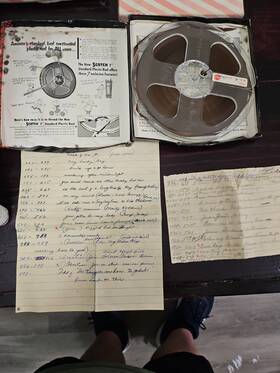
( Brand: Scotch ), ( Manufacturer Part Number: 111A-12 ), ( Part Type: Reel Tape )
Review SCOTCH Vintage Reel to Tape Lot Mold Damage Parts Or Restoration
The **Scotch 111A-12 Reel-to-Reel Tape Mold** is a meticulously engineered, high-quality component designed to preserve the integrity and longevity of professional-grade magnetic audio tape, particularly for use with 12-inch reels of Scotch brand tape stock. Crafted from durable, precision-machined aluminum, this mold features a robust, symmetrical design optimized for seamless tape winding and unwinding, ensuring smooth operation and minimizing the risk of tape snags or misalignment. Its smooth, polished surface reduces friction, allowing for consistent tension and even layering of the tape, which is critical for maintaining optimal playback quality and preventing tape degradation over time. The mold s symmetrical construction also facilitates balanced winding, reducing the risk of tape skew a common issue that can lead to uneven wear or playback artifacts. Ideal for studio environments, archival purposes, or vintage audio restoration projects, this mold is compatible with a wide range of reel-to-reel tape machines, including those from brands like Ampex, Studer, and Nagra. Whether used with analog recording tape for music, voice recordings, or data storage, the Scotch 111A-12 mold ensures professional-grade performance, making it an indispensable accessory for audiophiles, archivists, and audio engineers who demand reliability and precision in their equipment.
The Scotch 111A-12 reel-to-reel tape mold is a specialized tool used for manufacturing magnetic audio tape, primarily for vintage reel-to-reel tape recorders. Below is a detailed breakdown of its pros and cons, followed by a conclusion and recommendation.
---
**Pros:**1. **High Quality and Durability**: The Scotch 111A-12 mold is designed for industrial use, ensuring precision and longevity. It is built to handle the demands of mass production, which translates to consistent tape quality. The mold is made from high-grade materials that resist wear and deformation over time, making it a reliable investment for serious hobbyists or small-scale manufacturers.
2. **Versatility**: This mold can produce a variety of tape widths, including the popular 1/4-inch and 1/2-inch formats, which are widely used in vintage reel-to-reel systems. Its adaptability allows for experimentation with different tape types, such as ferric or chrome oxide, depending on the desired sound quality and durability.
3. **Compatibility**: The tapes produced using this mold are compatible with a wide range of vintage and modern reel-to-reel tape recorders, making it a practical choice for those looking to restore or expand their audio equipment collection. It is particularly well-suited for enthusiasts of classic equipment from brands like Revox, Nagra, and Teac.
4. **Sound Quality**: When used with high-quality magnetic coatings and proper manufacturing techniques, tapes produced with this mold can achieve excellent audio fidelity. The precision of the mold ensures even coating thickness, which is critical for minimizing distortion and maximizing dynamic range.
5. **Historical Significance**: For collectors and audiophiles, using a mold like the Scotch 111A-12 connects them to the legacy of analog audio technology. It allows them to recreate tapes that closely mimic those produced during the golden age of reel-to-reel recording, adding a nostalgic and authentic dimension to their projects.
6. **Potential for Customization**: While the mold itself is standardized, the process of tape manufacturing offers opportunities for customization. Users can experiment with different base films, magnetic coatings, and even add unique features like colored tapes or custom labels, catering to specific aesthetic or functional preferences.
---
**Cons:**1. **High Initial Cost**: The Scotch 111A-12 mold is not a cheap investment. Prices can range significantly depending on the source, condition, and whether it is new or used. For hobbyists or small-scale producers, this upfront cost may be prohibitive, especially when considering the additional equipment needed for tape manufacturing, such as coating machines, drying ovens, and rewinders.
2. **Complexity and Skill Requirement**: Manufacturing magnetic tape is a complex process that requires technical knowledge and precision. Users must understand the chemistry of magnetic coatings, the mechanics of tape production, and the intricacies of reel-to-reel systems. Mistakes in the process such as uneven coating, improper drying, or contamination can result in defective tape that is unusable. This learning curve can be steep and time-consuming.
3. **Equipment and Space Requirements**: Beyond the mold itself, tape production requires additional specialized equipment, including coating machines, drying ovens, rewinders, and sometimes even custom-built setups. This equipment takes up space and can be expensive to acquire or maintain. Hobbyists may also need to invest in safety gear, such as ventilation systems, to handle chemicals and fumes involved in the coating process.
4. **Time-Consuming**: Producing high-quality tape is labor-intensive. Even with automated equipment, the process involves multiple steps, including cleaning the mold, applying the coating, drying, and winding the tape onto reels. For those with limited time or resources, this can be a significant drawback.
5. **Market Limitations**: The demand for custom or vintage-style reel-to-reel tape is niche. While there is a dedicated community of audiophiles and collectors, the market is not as large as that for mass-produced consumer goods. This can make it challenging to recoup the cost of production or sell excess inventory, particularly for those not already established in the audio hobbyist space.
6. **Maintenance and Wear**: Over time, even high-quality molds can wear out or become damaged. The Scotch 111A-12, while durable, may require periodic cleaning, polishing, or replacement of worn parts. Neglecting maintenance can lead to inconsistencies in tape production, such as uneven edges or coating defects.
7. **Chemical and Environmental Considerations**: The process of manufacturing magnetic tape involves handling chemicals, such as solvents and magnetic pigments, which can be hazardous if not managed properly. Users must adhere to safety protocols to avoid health risks or environmental contamination. Proper disposal of waste materials is also a consideration.
---
**Conclusion:**The Scotch 111A-12 reel-to-reel tape mold is a powerful tool for those passionate about analog audio technology, offering unmatched quality and versatility for tape production. Its ability to replicate vintage tape formats and achieve high-fidelity sound makes it a prized possession for collectors, audiophiles, and small-scale manufacturers. However, the investment required both financially and in terms of time, skill, and space is substantial. It is not a practical choice for casual users or those seeking a quick return on investment. Instead, it is best suited for dedicated enthusiasts, hobbyists with technical expertise, or small businesses focused on niche audio products.
---
**Recommendation:**If you are considering purchasing the Scotch 111A-12 mold, carefully evaluate your goals, resources, and commitment to the process. Here are some steps to help you decide:
1. **Assess Your Experience and Expertise**: If you are new to tape manufacturing, consider starting with simpler projects or smaller-scale experiments to build your knowledge before investing in high-end equipment like this mold. Alternatively, seek guidance from experienced hobbyists or join online communities (such as forums or social media groups dedicated to analog audio) to learn from others experiences.
2. **Budget Wisely**: Factor in not only the cost of the mold but also the additional equipment, materials, and potential maintenance expenses. If your budget is limited, explore alternative options, such as purchasing pre-made tapes or investing in lower-cost molds for experimentation.
3. **Define Your Purpose**: Determine whether you are producing tape for personal use, restoration projects, or commercial purposes. If your goal is purely hobbyist, the mold may still be worth the investment for the satisfaction of creating authentic vintage tapes. However, if you are aiming for profitability, conduct thorough market research to ensure there is demand for your product.
4. **Start Small**: If possible, begin with a smaller batch or a less expensive mold to test your skills and interest in tape production. This allows you to gauge your commitment before making a significant financial commitment to the Scotch 111A-12.
5. **Consider Alternative Sources**: If purchasing new is not feasible, explore the used market for molds in good condition. However, be cautious of counterfeit or poorly maintained molds, and thoroughly inspect any used equipment before buying.
6. **Prioritize Safety and Quality**: If you proceed with the purchase, prioritize safety by investing in proper ventilation, protective gear, and waste disposal methods. Additionally, focus on quality control to ensure your tapes meet the standards of your target audience.
In summary, the Scotch 111A-12 mold is a remarkable tool for those deeply involved in the world of analog audio, but it is not a decision to be taken lightly. It is ideal for those with the resources, skills, and passion to fully engage with the process of tape manufacturing. For others, it may be more prudent to explore alternative avenues or start with smaller, more manageable projects.
Details:
Visible mold on boxes and interior surfaces. Vintage Reel-to-Reel Tape Lot Mold / Damage Parts or Restoration, This is a lot of vintage reel-to-reel tapes and boxes being sold for parts, restoration, display only due to condition.
part #: 111a12 prices
- $9.00-$25.90
specifications reeltapevintagego:
- brand: Scotch
- mpn: 111a-12
- part type: Reel Tape
returns reeltapevintagego:
- policy: No Returns
shipping reeltapevintagego:
- service: USPS Ground Advantage
- cost: $5.48
- class: Standard
- transit: 4-9 Days
- type: Calculated
- carrier: USPS
payments reeltapevintagego:
- credit card: Mastercard
- wallet: Google-pay
- other
general reeltapevintagego:
- condition: Used
- Vintage Electronics > Vintage Audio Video > Reel-to-Reel Tape Recorders
offer reeltapevintagego:
- best offers: True
- started: May 3, 2026
- options: Ship-to-home
- quantity: 1
- sold: 0
- availability: In Stock
seller reeltapevintagego:
- # reviews: 1
- city: Boise, Idaho
- rating: 100.0%
Scotch 111A-12 Is Similar To:
- 111-3 Scotch Magnetic Tape (30.5% similar) Scotch magnetic tape used...(April 10th, 2018)
- 1 Nortronics Tape Vintage 111a-1.5 Scotch 4 Reel--reel Original Alignment (33.5% similar) Vintage neutrons Scotch reel to reel alignment tape as shown 5 day offer. See photos at the top of this page for more details shipped first class unless you choose otherwise very fast shipping. 111A 5 box is well worn tape looks like it is in new condition. 1/4 x 150 feet tape no. Do not know if it ...(February 10th, 2015)
- 111a-24r Scotch Metal Brand Magnetic Reel Tape Empty Usa (40% similar) Please view the items specs and photos. It has writing on the box. The boxes show some wear. One is empty and has full magnetic tape. This may have been recorded on...(March 20th, 2018)
- Shamrock Reel 1 4 1200ft Plastic Empty Vintage 4in Scotch (26.5% similar) Please look over the pictures for the condition on items. They came from a estate sell. The plastic reels have normal storage wear and may have been used and do not look new lightly used. These are used with normal storage wear to reels and to the boxes. The Scotch box has a ripe corner on box...(January 12th, 2015)
- 120a-12 Scotch Lot Of Clear Plastic Reel Empty For Tape Standard (37.8% similar) These are in good pre-owned condition with no cracks. Here is a lot of 4 empty Scotch plastic 7 take up reels for 1 tape. The boxes do show some minor shelf wear...(January 31st, 2019)
- 1500ft 3m Scotch Leader Timing Tape Reel 1 4 X Unused White 7 Nos (29.2% similar) 6,35MM x 457,2 m this is an older item, but has never been used. I will combine shipping, if interested in purchasing more than one. Scotch 3m leader timing tape reel unused 61W. I cannot confirm the condition of the tape. 5 mil polyester, WHITE1 4 in...(December 4th, 2016)
- 17...scotch Tapes Reel 200...reel (30.4% similar) If they are recorded, they cover music including rock, classical, country, etc. Buyer to pay shipping. All the tapes are full and appear in very good condition, some of the boxes show some wear. 17 Scotch 200 reel to reel tapes. Alto of them have lists of what is recorded on them...(January 25th, 2015)
- 175-25 Scotch Metal Reel Silver Inch Cm With Band Case (30.1% similar) ...(July 29th, 2018)
- 18-180 7 Scotch Lot Of Brand Reel To Magnetic Tape (32.6% similar) Lot of a total 4 reel to magnetic tapes. I cant guarantee none of them are unused because don't have a way to test. 2 look unused and used see pics...(December 28th, 2018)
- 2in Reel Instrumentation Recording Nos Tape 1875ft Scotch (29% similar) It's often to late to solve them if you wait. Problems are questions that were not asked before the offer closed. Instrumentation recording tape reel nos Scotch reel to reel instrumentation audio recording tape n 18752IN. Item condition new old stock this item is untested. Elector Marvin is a 9/5 ...(February 9th, 2015)
- 190a-18-100g Play Tapes 7 Reel Extra 12 Magnetic Nos Recording Scotch (8% similar) I try to be honest as possible in each. Please look carefully at pictures for cosmetic condition. Good luck and happy buying...(January 7th, 2015)